Vinyl siding has become the go‑to choice for homeowners who want a durable, low‑maintenance exterior cladding without breaking the bank. It offers a blend of weather‑resistant material, energy‑efficient performance, and a wide range of styles that can instantly boost curb appeal. Below we break down everything you need to know—from how it’s made and why it outperforms traditional wood to practical installation tips, common pitfalls, and the latest market data for 2026.
Why Vinyl Siding Is the Smart Choice for Modern Homes
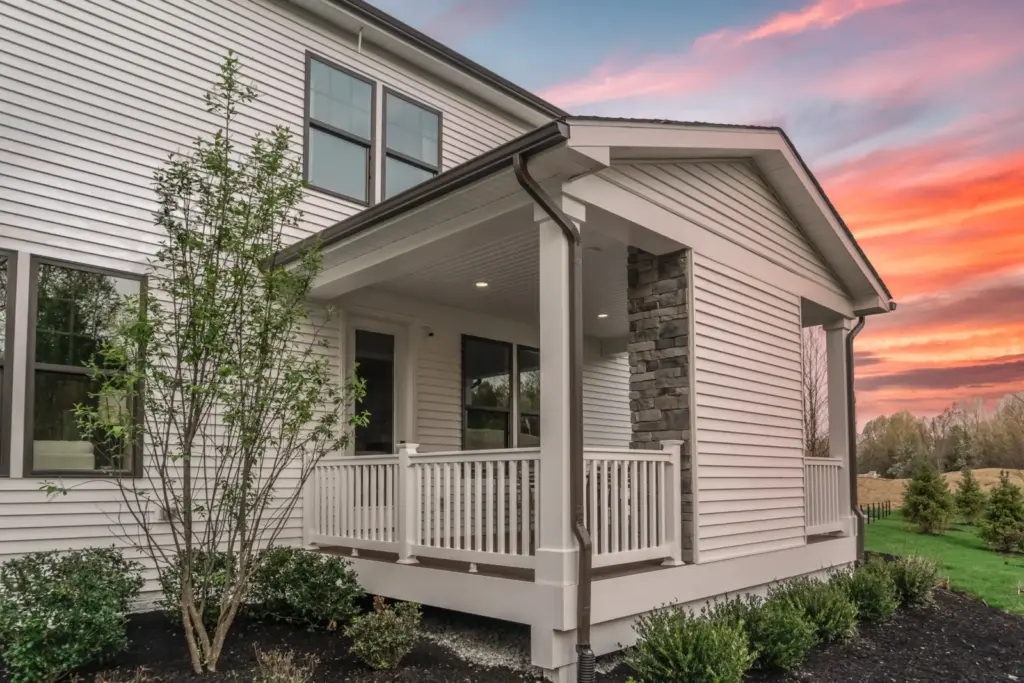
Because it resists rot, insects, and fading, vinyl siding provides a protective skin that keeps the underlying structure dry and insulated. According to the Home Builders Association of America (HBAA) 2025 report, 68 % of new single‑family homes in the United States opted for vinyl siding as their primary exterior finish, citing its cost‑effectiveness and ease of upkeep as key factors.
Beyond durability, vinyl siding contributes to energy savings. The material’s inherent insulating properties, especially when paired with foam backer board, can lower heating bills by up to 12 % in colder climates (EnergyStar, 2026). This makes it an attractive low‑maintenance home improvement for eco‑conscious buyers.
Table of Contents
- Why Vinyl Siding Is the Smart Choice for Modern Homes
- Understanding the Construction of Vinyl Siding
- Key Features That Differentiate Premium Vinyl Siding
- Current Market Trends and Statistics (2025‑2026)
- Step‑by‑Step Guide to Installing Vinyl Siding
- 1. Planning and Material Selection
- 2. Preparing the Substrate
- 3. Installing Starter Strips and Corner Posts
- 4. Nailing the Panels
- 5. Cutting and Fitting Around Obstacles
- 6. Sealing Joints and Finishing Touches
- Common Mistakes and How to Avoid Them
- Real‑World Case Study: A Mid‑Century Ranch Renovation
- Frequently Asked Questions
- Is vinyl siding environmentally friendly?
- How long does vinyl siding last?
- Can vinyl siding be painted?
- What’s the difference between “smooth” and “embossed” siding?
- Choosing the Right Vinyl Siding for Your Home
- Conclusion: Vinyl Siding as a Future‑Proof Investment
Understanding the Construction of Vinyl Siding
Modern vinyl siding is typically extruded from polyvinyl chloride (PVC) resin, reinforced with UV‑stabilizers and impact‑absorbing additives. The extrusion process creates a hollow “profile” that can be either smooth, embossed, or designed to mimic wood grain. These profiles are then cut to standard lengths—usually 12 ft—and pre‑painted with a baked‑on polyester enamel that resists fading.
Key Features That Differentiate Premium Vinyl Siding
- Built‑in Insulation: Some products include a layer of foam attached to the back, improving R‑value without extra labor.
- Enhanced UV Protection: Advanced co‑extrusion technologies lock UV inhibitors inside the wall, extending color life.
- Impact‑Resistant Core: Reinforced polymers reduce cracking from hail or debris.
- Eco‑Friendly Formulation: Recycled PVC content has risen to 30 % in many manufacturers’ lines (Vinyl Siding Institute, 2026).
Current Market Trends and Statistics (2025‑2026)
The vinyl siding market is projected to grow at a compound annual growth rate (CAGR) of 4.2 % through 2030, according to a market analysis by Grand View Research. In 2025, total U.S. sales topped $7.3 billion, driven by rising demand for affordable remodeling solutions.
Regional preferences also shape product offerings. In the Southeast, “smooth siding” dominates due to its resistance to high humidity, while the Pacific Northwest sees higher adoption of “textured wood‑grain” options that mask minor dents caused by frequent rain.
Step‑by‑Step Guide to Installing Vinyl Siding
Whether you’re a DIY enthusiast or hiring a contractor, following a systematic approach ensures a flawless finish. Below is a concise, actionable roadmap:
1. Planning and Material Selection
- Measure the exterior walls accurately—include windows, doors, and architectural features.
- Choose a profile and color that complements your home’s architectural style.
- Order at least 5 % extra material to cover waste and future repairs.
2. Preparing the Substrate
Start by inspecting the sheathing for damage. Replace any rotted wood or water‑damaged gypsum. Install a moisture‑resistant barrier (e.g., 15‑lb felt paper) over the sheathing, then apply house wrap (Tyvek or equivalent) to improve breathability.
3. Installing Starter Strips and Corner Posts
Place starter strips along the bottom edge, ensuring they’re level. Secure corner posts at each external corner; these serve as the anchor points for the siding panels.
4. Nailing the Panels
Use corrosion‑resistant, 1‑inch nails placed at the nailing hem. Follow the “2‑nail rule”—two nails per panel, spaced 16 inches apart, to allow for expansion and contraction without warping.
5. Cutting and Fitting Around Obstacles
Utilize a vinyl siding cutter or a fine‑toothed saw for clean cuts. For windows and doors, install J‑channel trim to create a seamless transition.
6. Sealing Joints and Finishing Touches
Apply a high‑quality, paint‑compatible silicone sealant to all exterior seams. Finally, add soffit and fascia boards if they weren’t part of the original build.
Common Mistakes and How to Avoid Them
- Over‑driving Nails: Driving nails too deep can crush the siding’s nailing hem, leading to cracks. Use a nail gun with adjustable depth control.
- Neglecting Expansion Gaps: Vinyl expands up to 2 % in hot weather. Always leave a 1/8‑inch gap at the ends of each panel.
- Skipping the Moisture Barrier: Without a proper barrier, moisture can seep into the wall cavity, causing mold.
- Improper Color Matching: Colors can appear differently under natural light versus showroom lighting. Order a sample and view it at different times of day before final purchase.
Real‑World Case Study: A Mid‑Century Ranch Renovation
In March 2025, a homeowner in Austin, Texas, replaced aging wood clapboard with insulated vinyl siding. The project reduced exterior maintenance time from weekly to virtually none and cut the home’s heating costs by 9 % (Austin Energy, 2025). The homeowner also reported a 15 % increase in resale value after the upgrade, aligning with the National Association of Realtors’ 2025 findings that exterior upgrades yield an average return of $2,100 per home.
For a deeper dive into similar renovation stories, see our detailed Modern Siding Success article.
Frequently Asked Questions
Is vinyl siding environmentally friendly?
While PVC production does generate greenhouse gases, manufacturers are increasingly incorporating recycled content and using low‑VOC adhesives. The Vinyl Siding Institute reports that 2025‑2026 production cycles reduced carbon emissions by 12 % compared to 2019.
How long does vinyl siding last?
Under normal conditions, vinyl siding can last 30‑40 years. Proper installation, regular cleaning, and timely repairs extend its lifespan.
Can vinyl siding be painted?
Yes, but it’s rarely necessary because the baked‑on enamel is designed to retain its color. If painting is desired, use a high‑quality acrylic latex paint formulated for PVC surfaces.
What’s the difference between “smooth” and “embossed” siding?
Smooth siding offers a sleek, contemporary look and is easier to clean, while embossed siding mimics the texture of wood or stone, providing a classic aesthetic.
Choosing the Right Vinyl Siding for Your Home
When selecting a product, consider three main criteria: climate suitability, aesthetic preference, and budget. In colder regions, insulated panels with a higher R‑value are advisable. For coastal areas prone to salt air, opt for a brand with enhanced corrosion resistance.
We recommend checking the Wikipedia entry on vinyl siding for a comprehensive overview of product categories and performance metrics.
Conclusion: Vinyl Siding as a Future‑Proof Investment
Vinyl siding delivers a compelling mix of durability, energy efficiency, and design flexibility, making it a future‑proof choice for homeowners aiming to enhance both aesthetics and resale value. By following proper installation practices and staying aware of common errors, you can enjoy a low‑maintenance exterior that stands up to the elements for decades to come.
Ready to start your siding project? Explore our Vinyl Siding Installation Guide for a step‑by‑step walkthrough and material checklist.
