Finding a reliable vinyl siding contractor near you is the fastest way to boost curb‑appeal, improve energy efficiency, and protect your home from the elements. The right professional will handle everything from precise measurements to a flawless finish, ensuring you avoid costly repairs down the road. For a deeper dive into choosing the perfect installer, check out our guide on hiring the best local vinyl siding installers in 2026, which walks you through the entire selection process.
Why the Right Vinyl Siding Contractor Matters
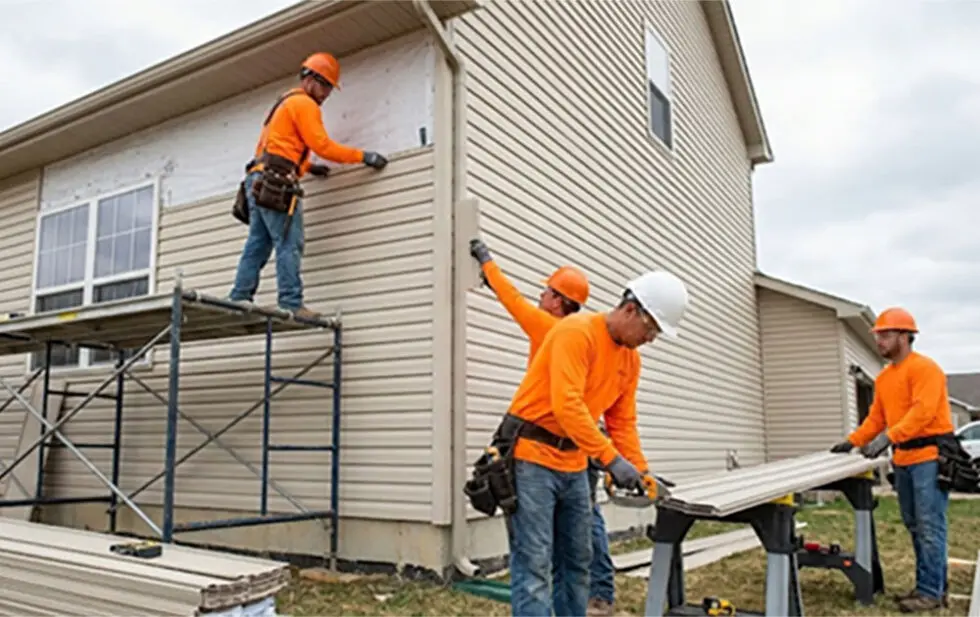
Vinyl siding is one of the most popular exterior cladding options in North America, accounting for roughly 45 % of all new residential siding installations in 2025, according to the National Association of Home Builders (NAHB). Its low maintenance, durability, and wide range of styles make it a top choice, but only when installed correctly. Poor installation can lead to moisture infiltration, warping, and premature fading, which not only diminish aesthetic value but also erode the home’s resale price. A qualified contractor ensures proper weather‑barrier application, correct fastening patterns, and adherence to manufacturer warranty requirements—critical factors for long‑term performance.
Key Factors to Evaluate When Searching “Vinyl Siding Contractors Near Me”
1. Licensing, Insurance, and Certifications
Start by confirming that the contractor holds a valid state license for exterior remodeling. In many states, a specific siding or general contracting license is mandatory. Verify workers’ compensation and general liability insurance; a reputable firm will gladly provide certificates upon request. Look for certifications from industry groups such as the Vinyl Siding Institute (VSI) or the National Association of the Remodeling Industry (NARI), which indicate ongoing training and adherence to best practices.
Table of Contents
- Why the Right Vinyl Siding Contractor Matters
- Key Factors to Evaluate When Searching “Vinyl Siding Contractors Near Me”
- 1. Licensing, Insurance, and Certifications
- 2. Experience and Portfolio
- 3. Local Reputation and Customer Feedback
- 4. Pricing Transparency and Affordability
- How to Vet Contractors Using Online Tools and Community Resources
- Real‑World Case Study: A Midwest Homeowner’s Journey
- Cost Breakdown for Vinyl Siding Installation in 2026
- Common Mistakes Homeowners Make—and How to Avoid Them
- Frequently Asked Questions
- What is the average lifespan of vinyl siding?
- Do I need to remove old siding before installation?
- How can I improve energy efficiency with vinyl siding?
- Is vinyl siding fire‑resistant?
- Can I paint vinyl siding?
- Next Steps: Your Roadmap to a Successful Vinyl Siding Project
2. Experience and Portfolio
Experience matters more than the number of years on paper. Review the contractor’s portfolio for projects similar in scope and style to yours. A solid portfolio showcases a variety of wall configurations—windows, doors, corners, and custom trims—and demonstrates the contractor’s ability to manage complex layouts without compromising quality.
3. Local Reputation and Customer Feedback
Search for recent reviews on Google, Yelp, Angi, and the Better Business Bureau. Pay attention to patterns: recurring praise for timeliness and clean work sites is a good sign, while repeated complaints about hidden fees or incomplete jobs are red flags. Asking neighbors or local home‑owner associations for referrals can also uncover hidden gems that may not appear prominently online.
4. Pricing Transparency and Affordability
Vinyl siding installation costs vary based on material grade, square footage, and region. In 2026, the average cost ranges from $4.50 to $7.20 per square foot, including labor, according to the Home Improvement Research Institute (HIRI). Reputable contractors provide a detailed, itemized estimate that separates material costs, labor, removal of old siding, and any necessary repairs. Beware of “rock‑bottom” quotes that omit essential steps such as moisture barrier installation or trim work.
How to Vet Contractors Using Online Tools and Community Resources
Modern home‑ownership research blends digital and offline tactics. Begin with a localized Google search for “vinyl siding contractors near me,” then filter results by rating and the number of reviews. Use the “Ask the Community” feature on platforms like Nextdoor to solicit real‑world experiences from residents who have recently completed siding projects.
- Angi (formerly Angie’s List): Offers verified consumer reviews and a “Best of” badge for top‑rated contractors.
- Better Business Bureau (BBB): Check the contractor’s BBB rating and look for any unresolved complaints.
- Local Home Shows & Trade Fairs: Direct interaction with vendors provides an opportunity to ask technical questions and compare multiple providers side‑by‑side.
When you narrow down a shortlist, request at least three written bids. Compare not only price but also the scope of work, warranty terms, and projected timeline. A contractor who clearly explains the process—from removing existing siding to final trim installation—demonstrates professionalism and confidence.
Real‑World Case Study: A Midwest Homeowner’s Journey
Emily, a homeowner in Des Moines, IA, decided in early 2026 to replace her aging vinyl siding after noticing water stains on her interior walls. She began with a simple Google query—“vinyl siding contractors near me”—and identified three local firms with 4‑star ratings. After reviewing each company’s portfolio and confirming licensing through the Iowa Division of Labor, she invited the three contractors for on‑site estimates.
Contractor A offered the lowest price ($5.20 / sq ft) but excluded the cost of a moisture barrier. Contractor B quoted $6.10 / sq ft, included a 20‑year warranty, and presented a detailed timeline with daily milestones. Contractor C, the most expensive at $6.80 / sq ft, specialized in energy‑efficient installations and proposed adding insulated vinyl siding, which could reduce heating costs by up to 12 % according to the U.S. Department of Energy.
Emily chose Contractor B because of the transparent estimate, positive client testimonials, and the inclusion of a comprehensive warranty. The project finished on schedule, and a post‑installation inspection confirmed flawless seam alignment and proper flashing around windows. Six months later, Emily reported no signs of moisture intrusion, and her energy bills reflected a modest 5 % reduction.
Cost Breakdown for Vinyl Siding Installation in 2026
Understanding where your money goes helps avoid surprise expenses. Below is a typical cost structure for a 2,200 sq ft single‑family home, based on data from the 2026 HIRI market analysis:
- Materials (standard ¾‑in. vinyl panels): $3.00 – $4.50 per sq ft
- Labor (including removal of old siding): $1.80 – $2.70 per sq ft
- Moisture barrier (house wrap): $0.30 per sq ft
- Trim and accessories (corner pieces, J‑channels): $0.40 per linear foot
- Disposal of old siding: $0.25 per sq ft
- Optional insulated vinyl upgrade: additional $1.20 – $1.80 per sq ft
Overall, the total project cost for Emily’s home fell at $6.10 per square foot, equating to roughly $13,400, a figure that aligns with the national average for mid‑range vinyl siding installations in 2026.
Common Mistakes Homeowners Make—and How to Avoid Them
Even seasoned DIY enthusiasts can stumble when tackling exterior remodeling. Below are pitfalls to watch for:
- Choosing the Cheapest Bid: Low prices often hide shortcuts—skipping essential steps like applying a proper weather barrier or using sub‑standard fasteners. Always verify that the estimate includes all necessary components.
- Ignoring Warranty Terms: Manufacturer warranties typically require installation by a certified contractor. If you hire an unqualified installer, you risk voiding the warranty and losing future support.
- Overlooking Local Climate Considerations: In regions with severe temperature swings, opt for thicker gauge vinyl and consider insulated siding to combat thermal expansion and contraction.
- Delaying Proper Permits: Some municipalities require a permit for exterior cladding work. Failing to secure one can lead to fines and may complicate future home sales.
Frequently Asked Questions
What is the average lifespan of vinyl siding?
High‑quality vinyl siding, when installed correctly, typically lasts 30‑40 years. Manufacturer warranties range from 20 to 30 years, with many homeowners seeing no major issues beyond that timeframe.
Do I need to remove old siding before installation?
Removal is recommended to inspect the underlying sheathing for damage and to install a moisture barrier. However, some contractors offer a “re‑siding” service that overlays new panels directly over the old material, which can save time and cost but may affect long‑term durability.
How can I improve energy efficiency with vinyl siding?
Insulated vinyl siding adds a layer of rigid foam to the panel, reducing heat loss. According to the U.S. Department of Energy, insulated siding can lower heating and cooling costs by up to 12 % in climate zones with extreme temperature variations.
Is vinyl siding fire‑resistant?
Most vinyl siding is classified as Class B fire‑rated, meaning it will melt and drip when exposed to fire but will not easily ignite. For higher fire ratings, consider fiber‑cement or metal alternatives.
Can I paint vinyl siding?
Vinyl siding is designed to retain its color for the life of the product. Painting is possible but requires a specialized, UV‑resistant paint and thorough surface preparation. It is generally more cost‑effective to replace panels if a major color change is desired.
Next Steps: Your Roadmap to a Successful Vinyl Siding Project
Armed with the criteria above, you can confidently shortlist local professionals, request detailed bids, and compare warranty offers. For a broader view of siding options and how vinyl stacks up against alternatives like fiber‑cement or metal, explore our home siding guide for 2026. Additionally, if you’re curious about the best “siding near me” providers, our comprehensive 2026 siding locator guide offers step‑by‑step instructions to verify credentials and negotiate contracts.
Remember, the goal isn’t just to find the nearest contractor—it’s to partner with a skilled, trustworthy professional who respects your budget, timeline, and the long‑term health of your home’s exterior. By following the systematic approach outlined here, you’ll protect your investment, enhance curb‑appeal, and enjoy peace of mind for decades to come.
